
Test soils, water, contaminants and current land function before choosing a treatment.
Ghana-grown. Climate-smart. Trade-ready.Restore land · store carbon · create livelihoods
Back to platform
Restorative landscapes / Ghana
Put damaged land back to work.
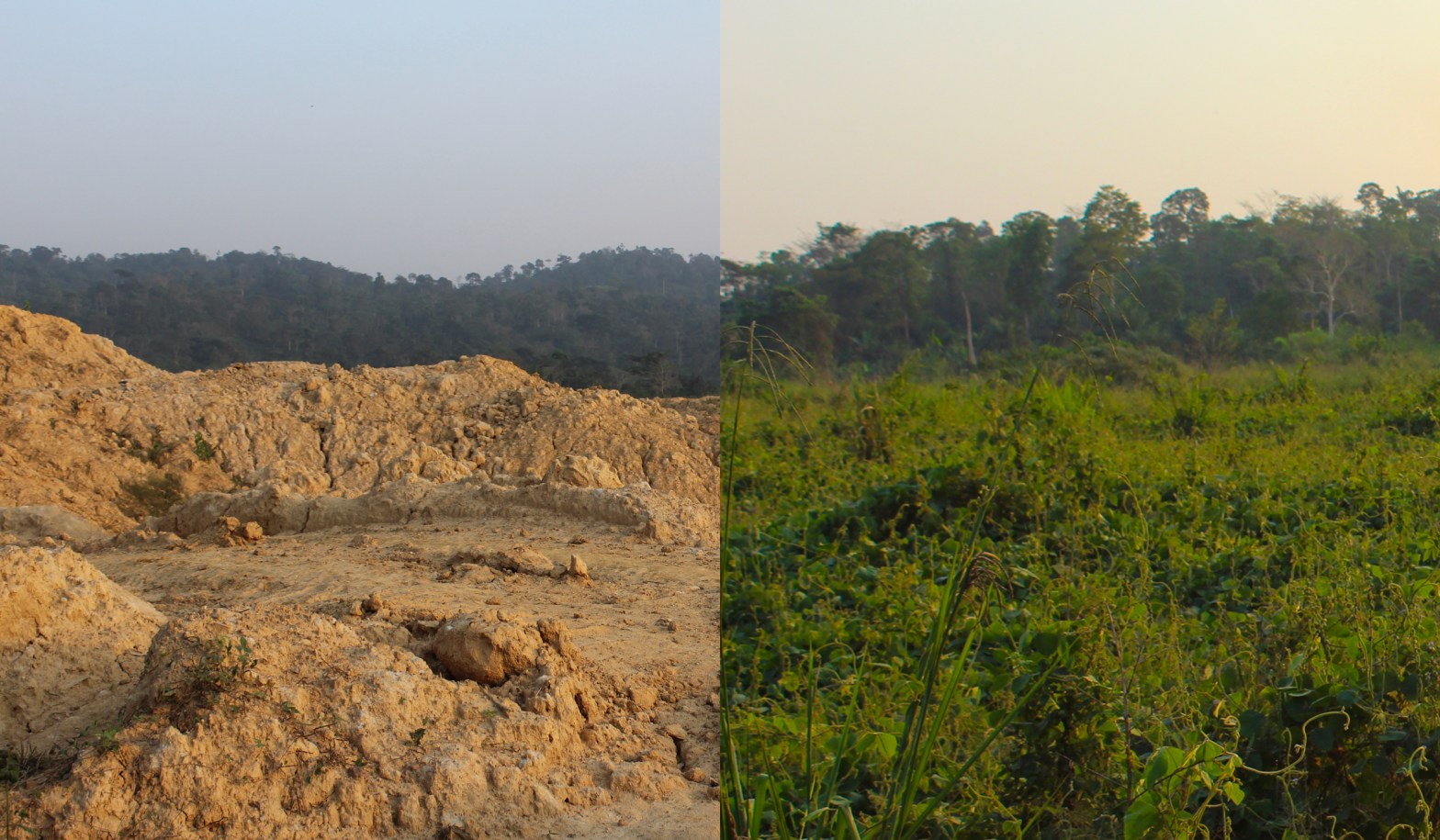
Sanbra is developing a Ghana-focused restoration pipeline that combines biochar, soil science, responsible land use and local enterprise. The goal is practical: rebuild soil function, establish safe new uses and create durable value for communities and climate partners.
The restoration case
Biochar works best as part of a complete land-recovery system.
Match every crop and material pathway to site risk, regulation and community priorities.
Use controlled field plots, transparent records and independent monitoring before expansion.
Upcoming restoration projects
Four pathways from degraded land to lasting value.
These are proposed project pathways seeking landowners, communities, technical institutions, funders and responsible offtake partners. Final designs will follow site assessment, permissions and local consultation.
01 / PROJECT PIPELINE
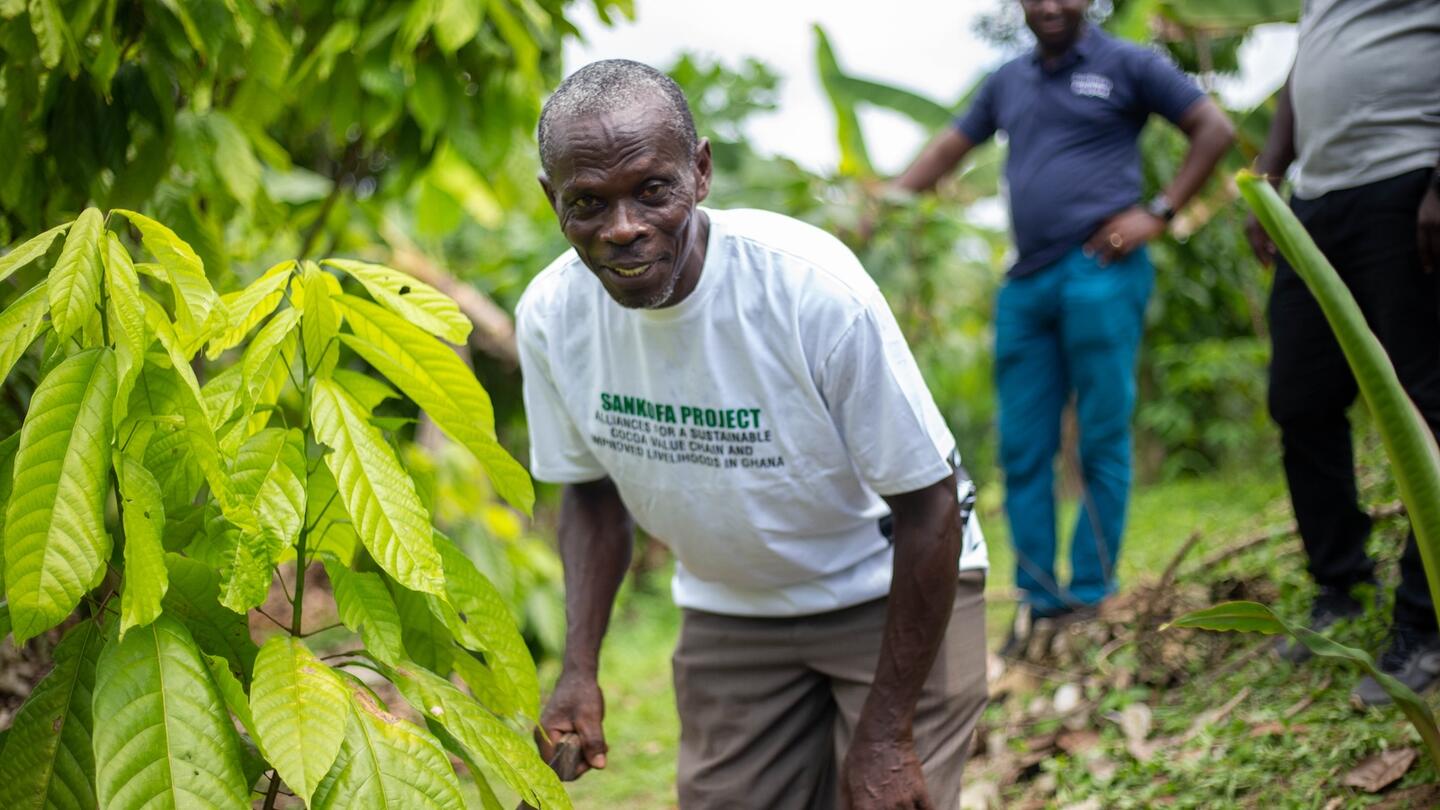
Restore degraded cocoa lands
Rebuild productive cocoa landscapes through soil testing, locally appropriate biochar, compost, targeted nutrition, erosion control and climate-smart replanting. Demonstration plots will compare soil response, tree survival, moisture retention and farmer economics before any wider roll-out.
- Cocoa pod and farm-residue feedstocks
- Soil-first application plans
- Farmer field schools and monitoring
02 / CONTROLLED PILOT
Recover post-mining landscapes
Biochar can be one tool within a larger reclamation system—not a substitute for engineering or remediation. Proposed pilots begin with contamination testing, landform stabilisation, drainage and clean soil design, then assess whether tailored biochar blends can support revegetation or help immobilise specific contaminants.
- Baseline soil, water and heavy-metal testing
- Site engineering and safe revegetation
- Independent verification over time
03 / LICENSED R&D
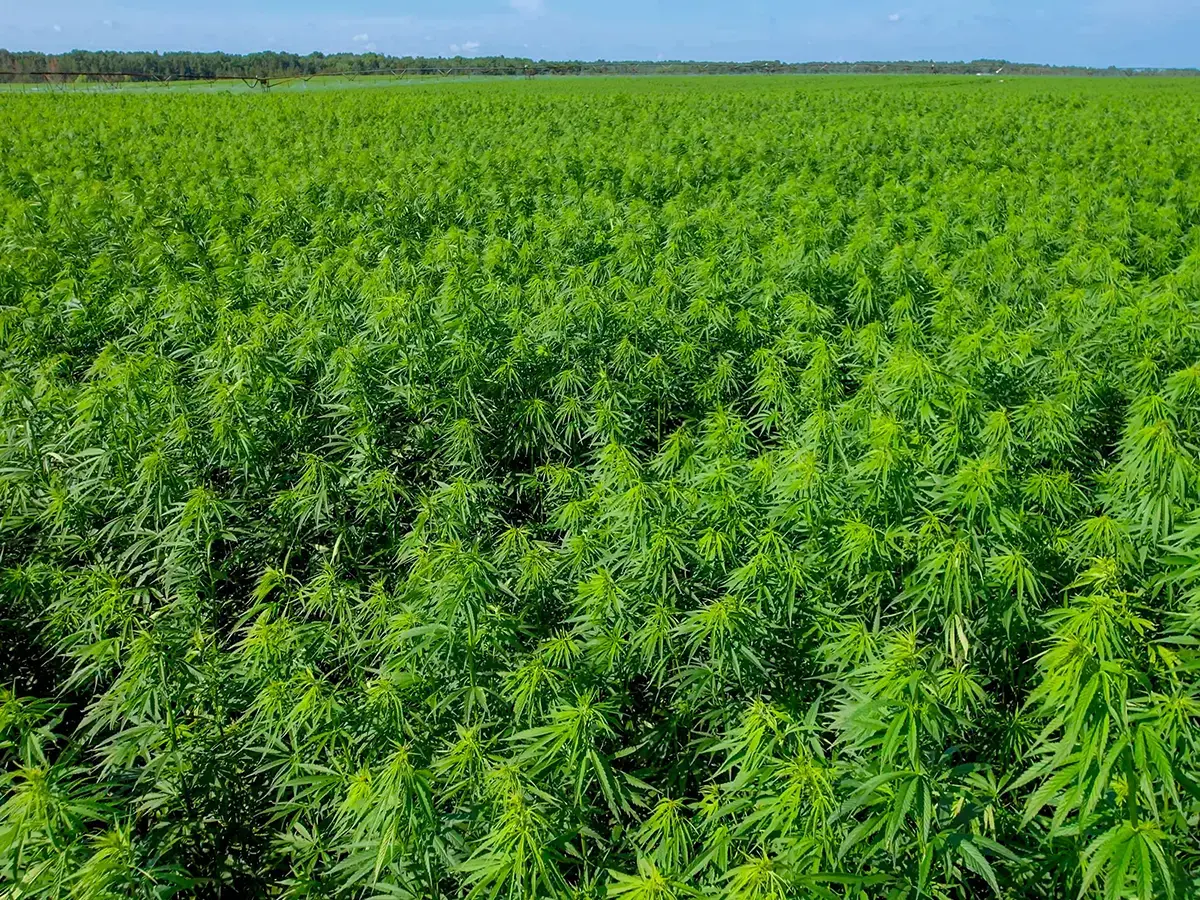
Test industrial hemp on remediated land
Evaluate licensed low-THC industrial hemp as a non-food fibre and biomass crop on suitable remediated land. Because hemp can accumulate contaminants, every pilot must include tissue testing, controlled handling and an approved end-use route that keeps contaminated biomass out of food and animal feed.
- NACOC licensing and regulatory compliance
- Crop and soil contaminant monitoring
- Fibre, materials or controlled biomass pathways
04 / LONG-TERM LAND USE
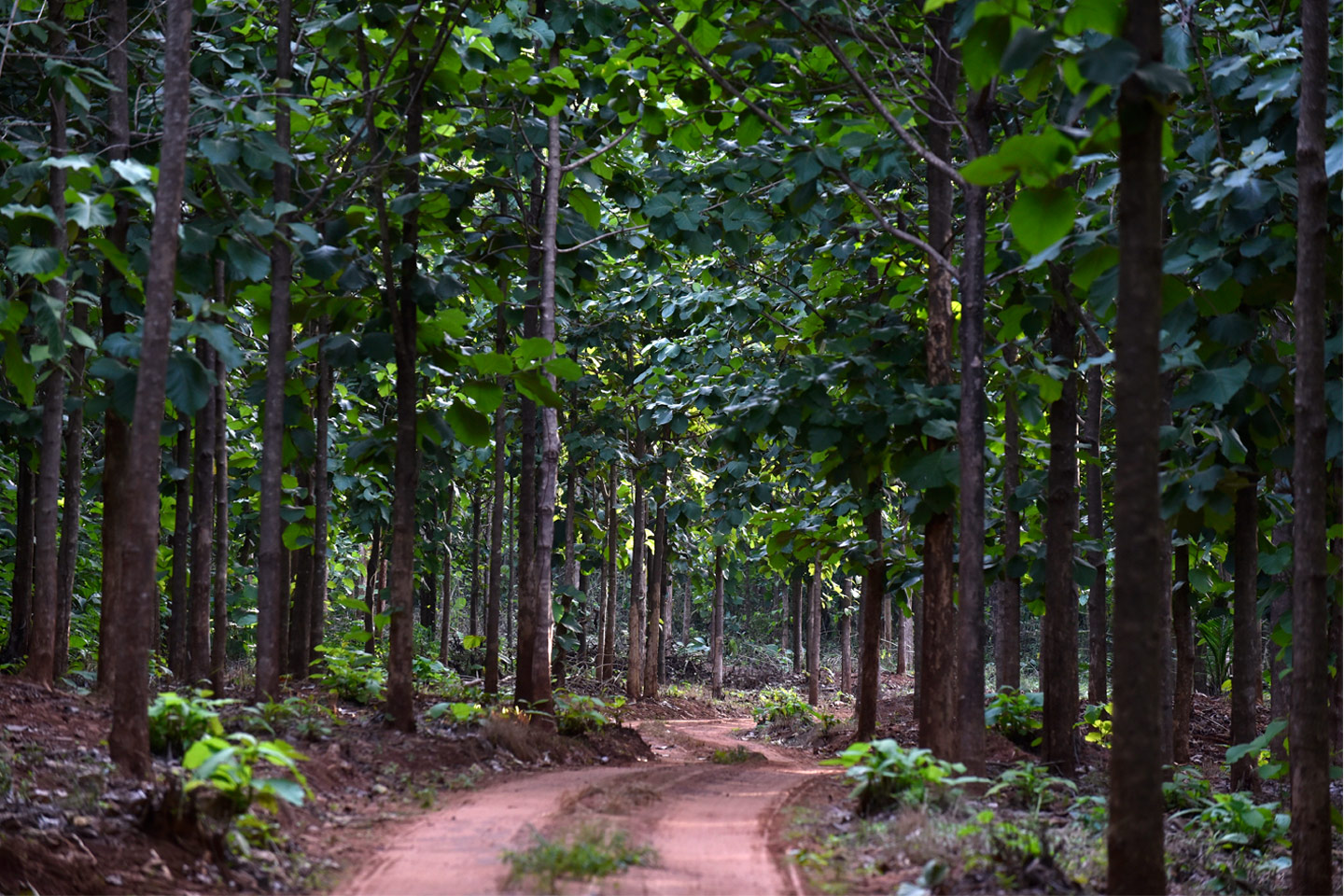
Establish timber & non-food plantations
Build long-duration land value through timber and other non-food crops selected for local ecology and commercial fit. Biochar-assisted establishment can be tested alongside ground cover, fire management and mixed-species planting to improve early survival and strengthen carbon and biodiversity outcomes.
- Native and commercial species mix
- Erosion, fire and water management
- Long-term carbon and growth records
How a project moves forward
A disciplined pathway from site to scale.
- 01Assess
Land history, soil and water tests, contamination risk and community priorities.
- 02Design
Biochar specification, crop or tree pathway, safeguards and commercial model.
- 03Pilot
Controlled plots with baselines, comparison treatments and practical farmer training.
- 04Verify
Track soil response, survival, biomass, carbon records and livelihood outcomes.
- 05Scale
Expand only where evidence, permits, buyers and community agreements align.
NON-NEGOTIABLE SAFEGUARD
Former mining land needs testing—not assumptions.
Food production will not be proposed on a former mining site without evidence that it is safe. Hemp or other phytoremediation biomass that accumulates contaminants must be controlled, tested and directed only to approved non-food uses or safe disposal.
LANDOWNERS · COMMUNITIES · RESEARCHERS · FUNDERS · BUYERS
Discuss a restoration project Bring a restoration site or project mandate to Sanbra.
We welcome opportunities to co-develop site assessments, demonstration plots, biochar supply, technical research, community delivery and responsible long-term offtake.